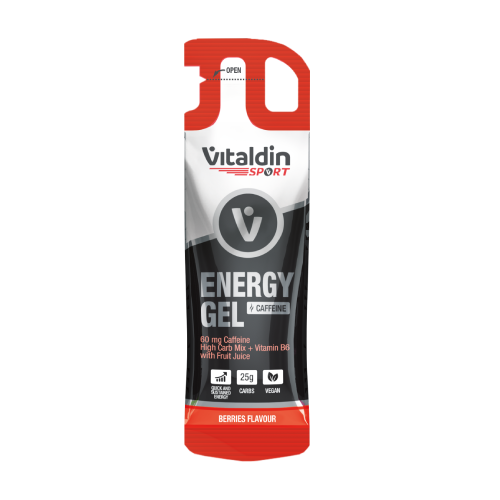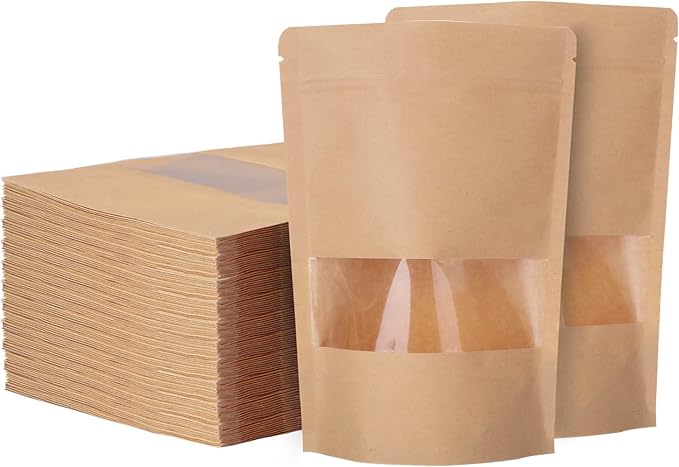
You may have heard a lot about flexible packaging, but many are not entirely sure what the term actually means. In its most basic form, flexible packaging is any package or part of a package whose shape can readily be changed when filled or during use. Think about everything you have in your pantry, bathroom or garage that comes in a resealable, crinkly packaging: from laundry detergent pods to dish soap to snacks to motor oil. Flexible packaging is becoming more common not only because it saves space in cabinets and drawers, but also because refillable pouches typically use less plastic than rigid containers. Flexible packaging expert Christine Barrington has had a front-row seat to that evolution. Here, she shares what people get wrong, what trends are reshaping the field, and the clever ideas (and machines) that hint at where flexible packaging is headed next.
From your vantage point, what are the biggest misconceptions people still have about flexible packaging, and what do you wish more teams understood?
I do a lot of posting about flexible packaging on LinkedIn, and I sometimes get pushback from folks saying it’s not sustainable. And yes, I get where that comes from – it’s frequently used for single-use applications, and mixed-material plastics can’t be recycled. All of that is true, but it leaves out a huge part of the story. Up until the moment flexible packaging is discarded, it’s actually more sustainable than many alternatives. It takes far less energy to produce than cartons or rigid containers, and because it’s lightweight, it cuts transport emissions at every stage: from our plant, to the manufacturing facility, then to a warehouse, and then to a retail shop. It can also significantly extend the shelf life of our food, leading to reduced food waste. Think about potato chips. Without that high-barrier metallized BOPP bag, and instead in, say, a kraft paper lunch bag, those chips would go stale fast. The barrier properties in flexible packaging are what keep products fresh. This is a significant advantage despite challenges in the US recycling infrastructure. In this category, we need investment in infrastructure and innovation. Flexible packaging doesn’t need to go away. It just needs advancement in circularity.
It is an area that has evolved dramatically over the last decade. What changes have surprised you most?
If you were to look back 10-15 years ago, digital printing in flexible packaging wasn’t really a thing. It was only with the introduction of the HP20,000 digital printing press that you’d begin to see small to medium-sized businesses with flexible packaging looking just as good as the leading big brands. Before digital printing, brands would have to spend $10,000 – $15,000 to make custom printed flexible packaging; now they can do it with a fraction of the investment.
Which brands do you think are exemplary in how they leverage flexible packaging — either through format, functionality, or how it supports the broader customer experience?
I specialize in digital printing in the cannabis industry, which is all about SKU proliferation. A lot of brands in that space still rely on rigid containers, especially for flower, but I’m seeing more companies transition to flexible pouches instead. I’ve seen some companies switching from rigid containers to pouches – a rigid container might weigh 28 grams, where a pouch would weigh closer to 5 grams. The one study I did reduced the plastic consumption by about 85%. When you’re able to eliminate plastic from the waste stream while lowering the overall packaging cost, it’s a win-win.
And are there emerging flexible packaging categories that caught your eye?
I was at a show recently and I saw a stick pack that was long and narrow, and had a handle at the top and a pour spout. It was really cool. I’ve seen shaped pouches before, but seeing a diecut stick pack was pretty neat.
For someone new to flexible packaging, what foundational principles would you tell them to master first?
I would say the biggest thing that a brand could do to get into flexible packaging is to hire a bona fide packaging designer. That’s frequently going to be somebody that’s separate from a web designer or a commercial print designer. Your packaging designer needs to have a deep understanding of dielines and flexible packaging materials to make sure the art doesn’t interfere with folds, seals, or other features, while taking advantage of enhancements like metallic effects offered by silver material constructions.
If I was a brand vetting out a designer, I would ask to see their portfolio to determine how much of it is comprised by the style of packaging that I’m trying to get into. If they don’t have strong examples of what I’m looking for, I would keep searching.
What innovations or format changes in flexible packaging feel genuinely game-changing to you right now?
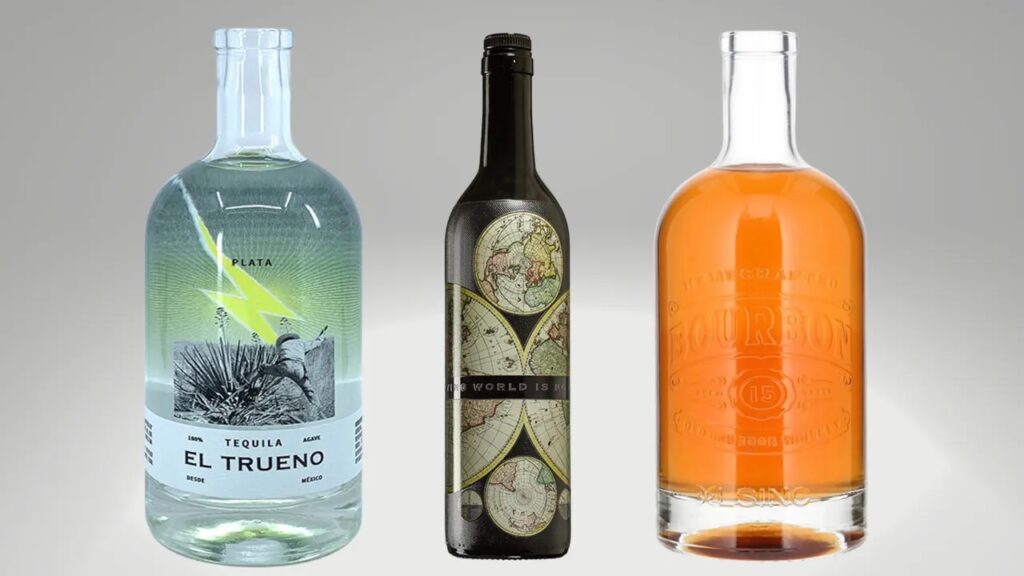
I was just at the Printing United expo and saw a printing unit that directly prints on cups, bottles, or any 3D object, giving shrink sleeves a run for their money. Where digital printing in flexible packaging and shrink sleeves allows for hyper-personalization, this direct print press adds an element of efficiency and personalization for small-scale orders. And I loved the raised varnishes too! They can create incredibly short runs of spirits bottles that look like high-end, custom-made glass bottles.
I would love to see this technology come to the flexible packaging industry. While digital printing has eliminated the need for long setups and costly plates on the printing side, there’s still a significant amount of time and materials required to set up a pouching line. Directly printing on a pre-formed pouch would allow converters to make non-printed, blank pouches with artwork and embellishments being applied as a last step, instead of a first step. By applying the graphics as a last step instead of a first step, minimum order quantities would be further reduced while allowing for even more tailored content and beautiful embellishments.
What do you see as the next major leap in how brands use flexible packaging? Not just in materials, but in strategy, function, and storytelling perhaps.
I think that we’ll see continued innovation in pouch manufacturing processes, namely the box bottom/side gusset style pouch. Brands like this format because, instead of a traditional stand-up pouch, which creates an internal shape like a wedge below the zipper closure, a box-bottom pouch makes a cube shape. This additional internal space is beneficial for brands looking to put more product into a compact space on a retail shelf. The drawback is that the process to manufacture true box-bottom pouches is much more complicated than a traditional stand-up pouch, demanding higher minimum order quantities. This is because it involves marrying two different pieces of material together on a high-speed pouching line, leading to longer setup times, more material requirements, and higher waste. I’m hopeful we’ll see innovation in efficiency for this very useful format of flexible packaging!