One Glue Dot. Eighteen Hundred Cartons
A 900,000-unit order for bi-fold collateral. Clean job. Five-by-ten inch sheets folded to five-by-five, QR codes printed directly on the piece. The pack-out math was straightforward: 1,000 units per carton, 900 cartons, seven fulfillment centers, five pallets total.
Then one change. The QR codes moved off the collateral onto a separate referral card – two small inserts glued inside each bi-fold with a single glue dot. Nobody flagged it as significant. It was a referral card. It weighed almost nothing.
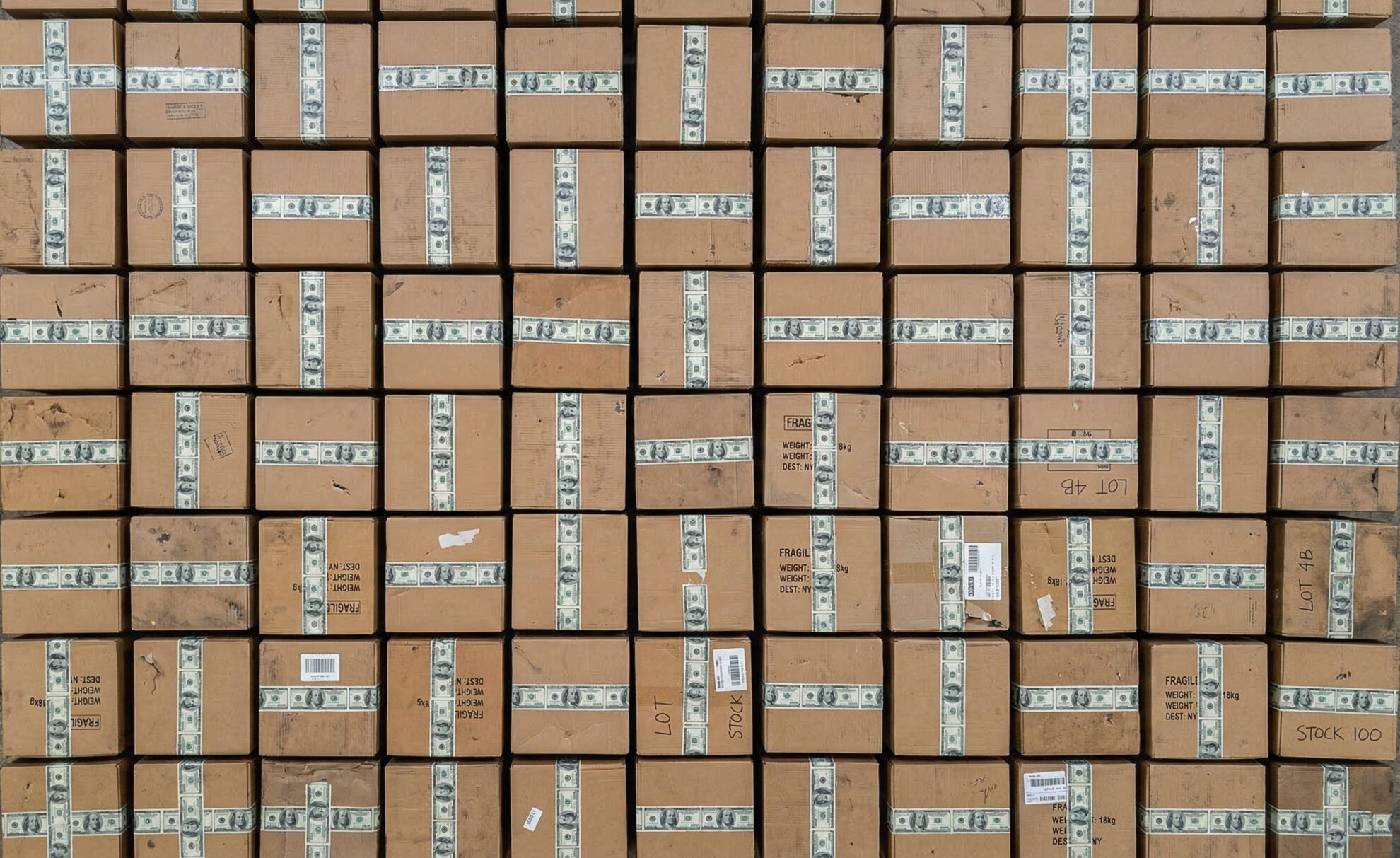
The glue dot added just enough bulk to each folded unit that carton capacity dropped from 1,000 to 500. Nine hundred cartons became 1,800. Pallet counts increased across all seven fulfillment center shipments. Every destination received more cartons than planned with more floor time, more receiving labor, more storage capacity consumed, and a freight bill that had grown substantially from the original estimate.
One glue dot. Decided late. Felt everywhere.
Why this is harder than it looks
Pack-out in print isn’t a specification that comes with the job. It’s a calculation that a coordinator builds from assumptions and asks the vendor to validate.
The math starts with practical constraints: a carton that receiving teams can handle, which means staying under 35 pounds. A round unit count per carton that makes it easy for procurement to write clean purchase orders. Standard carton dimensions sized for the finished piece. From there, the coordinator estimates how many units fit, how the cartons stack, what the pallet configuration looks like, and what the freight implications are across every destination.
Those assumptions hold, until something changes. A spec adjustment that seems cosmetic at the item level can shift the carton count significantly. When the carton count shifts, everything downstream shifts with it: pallet builds, freight estimates, the advance notice a brand wants to give their fulfillment centers before a shipment arrives.
The vendor’s job is production. The pack-out implications of a spec change aren’t always visible to them in real time. When they are – when a change is substantial enough that a good vendor flags it – that conversation is valuable. But it depends on someone paying attention, and it happens after the decision has already been made.
What the brand is dealing with
Emerging brands are often comfortable with print specifications. They understand dimensions, paper stocks, and finish options. Post-production logistics – carton configurations, pallet builds, fulfillment center requirements– is less familiar territory.
And yet the fulfillment center has requirements. Units per carton. Carton weight. Pallet dimensions. Ti x Hi – the number of cartons across and up on a pallet. The brand wants to alert their FC the moment a purchase order is issued. But the pack-out details that the FC needs often aren’t confirmed until after production, which is exactly when the brand was hoping to have already communicated them.
It’s a timing problem with a cost dimension and a relationship dimension, and a glue dot can trigger all of it.
The layers nobody talks about
Cost is the most visible consequence. More cartons means more freight, more handling, more storage. Spread across seven fulfillment centers on a 900,000-unit order, the impact is real.
But there are other layers. Fulfillment centers absorb the operational consequence with more cartons on the floor, more time in receiving, more complexity in storage. The brand’s relationship with their FC depends in part on predictability, and a surprise increase in carton count is the opposite of predictable.
And as EPR compliance requirements expand, the packaging itself becomes a reportable material. A glue dot is a component. The adhesive has a weight. The additional cartons required because of the glue dot have a material footprint. A spec change that doubles your carton count may also affect what gets reported in a compliance filing. It’s not dramatic, but not trivial either.
The glue dot story isn’t really about a glue dot. It’s about how a decision made at the spec level has consequences at the pack-out level, the freight level, the fulfillment level, and potentially the compliance level. And those consequences are largely invisible until someone does the math.
What this points toward
The print industry has always been better at specifying what gets produced than at capturing what happens after production. Pack-out details, carton configurations, pallet builds, fulfillment requirements all live in spreadsheets, in emails, in the coordinator’s working assumptions, and in conversations with vendors who may or may not flag when something changes.
The goal is a system that captures pack-out as part of the item record so that when a spec changes, the downstream implications are visible before the job runs rather than after the pallets are built. So that a future order of the same item starts from a known configuration rather than a rebuilt estimate. So that the brand can tell their fulfillment center what’s coming at the moment the PO is issued, because the pack-out is already confirmed.
That’s not solved yet. But the glue dot is a good argument for why it needs to be.